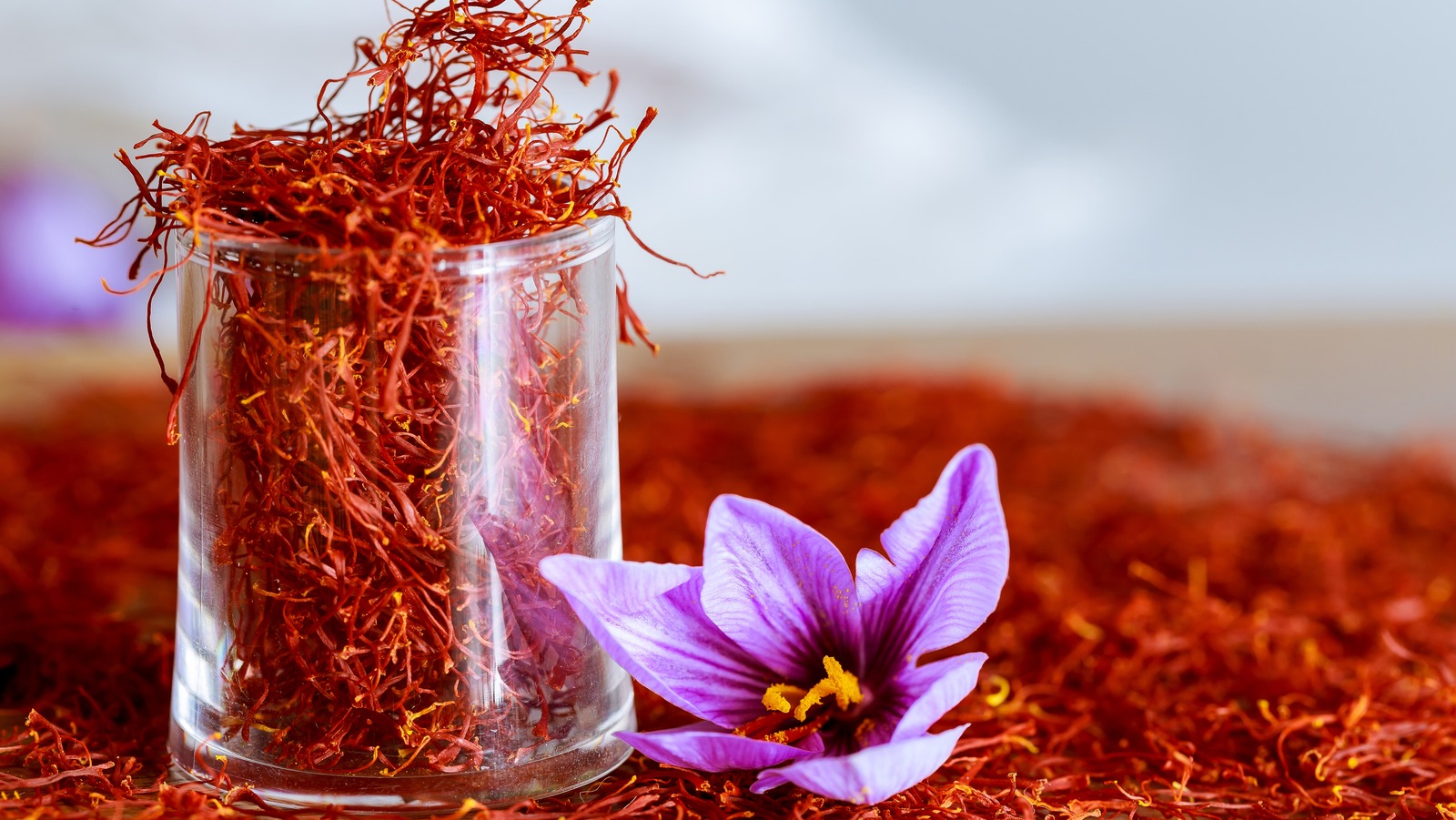
Saffron, with its vibrant red stigma and powerful aroma, is a precious spice widely renowned for its culinary, medicinal, and cultural significance. Derived from the flower of Crocus sativus, saffron has mesmerized civilizations for thousands of years due to its captivating hue, delicate flavor profile, and multitude of health benefits. Highly prized in the culinary world, saffron is a cornerstone of various global cuisines, adding an exotic touch to dishes and beverages.
Not only cherished for its culinary attributes, saffron also holds immense historical and cultural importance. Its origins can be traced back to ancient civilizations like the Greeks, Romans, and Egyptians, who treasured saffron as an exquisite offering to their gods and used it in mystical rituals. This illustrious history has granted saffron a mythical allure that continues to captivate people today. Moreover, saffron is renowned for its potential medicinal properties, being hailed as a natural remedy for various ailments such as mood disorders, colds, digestive issues, and even certain types of cancer.
The Mythical Allure of Saffron
Throughout history, saffron has carried a mystical allure, fascinating civilizations with its vivid color and enchanting aroma. Ancient Greeks and Romans believed that saffron possessed magical properties, associating it with love, fertility, and happiness. In Egyptian mythology, saffron was seen as a symbol of vitality and adorned royal tombs as an offering to the gods.
This illustrious history continues to shape the perception of saffron today. The captivating mythology surrounding this precious spice adds to its appeal and contributes to its high price per gram. To fully appreciate the cultural importance and mythical allure of saffron, one must understand its historical significance and the way it has been revered throughout the ages. click to see saffron price per gram
The Medicinal Potential of Saffron
Beyond its culinary and cultural significance, saffron is also recognized for its potential medicinal properties. Traditional medicinal practices have used saffron to alleviate symptoms of various ailments, including mood disorders such as depression and anxiety. Research suggests that saffron may act as a natural antidepressant by influencing neurotransmitters in the brain.
Furthermore, saffron contains compounds that exhibit antioxidant and anti-inflammatory effects, which may contribute to its potential cancer-fighting properties. While more research is needed to fully understand the therapeutic benefits of saffron, its long history as a medicinal herb in traditional medicine systems has ignited scientific curiosity and exploration.
In conclusion, saffron’s vibrant hue, delicate flavor, and rich history have made it a highly prized spice in culinary and cultural realms. Its mystical allure, rooted in ancient civilizations and their mythical beliefs, adds to its appeal and contributes to its high price. Furthermore, saffron’s potential medicinal properties, particularly in treating mood disorders and potentially fighting cancer, have sparked scientific interest and further exploration. Overall, saffron is truly a remarkable spice that continues to captivate and intrigue people across the globe.
Leave a Reply