Author: Roger Homer

  • Preventive Plumbing Maintenance: Avoiding Costly Repairs

    Are you tired of dealing with expensive plumbing repairs? Don’t fret, because there is a solution.

    In this article, we will guide you through the world of preventive plumbing maintenance. By following a few simple tips and tricks, you can avoid costly repairs and keep your plumbing system in top shape.

    So, grab your toolbox and get ready to take control of your plumbing destiny.

    The Importance of Regular Plumbing Inspections

    You should schedule regular plumbing inspections to catch any potential issues before they turn into costly repairs.

    Plumbing problems can arise unexpectedly, causing inconvenience and financial strain. By having regular inspections, you can identify any hidden leaks, clogs, or faulty components that may lead to more serious problems if left unattended.

    A professional plumber will thoroughly assess your plumbing system, checking for any signs of wear and tear, corrosion, or leaks. They can also inspect your pipes, drains, faucets, and water heaters to ensure everything is functioning properly.

    Detecting issues early on allows for prompt repairs, preventing further damage and saving you from expensive repairs down the line.

    Regular plumbing inspections give you peace of mind, knowing that your plumbing system is in good condition and minimizing the risk of unexpected and costly repairs.

    Simple DIY Maintenance Tips for Plumbing Systems

    To keep your plumbing system in good shape, it’s essential to perform simple DIY maintenance tasks regularly. By taking a proactive approach, you can prevent costly repairs and ensure the smooth functioning of your plumbing.

    Start by checking for leaks in faucets, pipes, and toilets. Fix any leaks promptly to avoid water damage and wastage.

    Next, clean your drains regularly to prevent clogs. Use a mixture of hot water, vinegar, and baking soda to flush out any debris.

    Additionally, inspect the water pressure in your home and adjust it if necessary to prevent strain on your pipes.

    Finally, insulate your pipes during the colder months to prevent freezing and potential bursts.

    These simple tasks will help you maintain a healthy and efficient plumbing system.

    Signs of Potential Plumbing Issues to Watch Out For

    If you notice unusual water stains on your walls or ceilings, it could be a sign of potential plumbing issues. These stains are often caused by leaks in your plumbing system, which can lead to more serious problems if not addressed promptly.

    Leaking pipes can not only damage your walls and ceilings but also contribute to mold growth and structural damage. It’s important to take these stains seriously and investigate the cause as soon as possible.

    Contact a professional plumber to assess the situation and fix any leaks or damaged pipes. By addressing these issues early on, you can prevent further damage and avoid costly repairs down the line.

    Don’t ignore those water stains – they could be a warning sign of underlying plumbing problems.

    How to Extend the Lifespan of Your Plumbing System

    One way to ensure your plumbing system lasts longer is by regularly checking for any leaks or drips. Leaks can cause significant damage and lead to costly repairs if not addressed promptly.

    Take the time to inspect all the faucets, pipes, and fixtures in your home for any signs of leaks or drips. Look for water stains, mold or mildew growth, and unusual water puddles. If you notice any of these signs, don’t ignore them. Instead, take immediate action to fix the issue.

    Tightening loose fittings, replacing worn-out washers, or calling a professional plumber can prevent further damage and extend the lifespan of your plumbing system. Remember, regular maintenance and addressing leaks promptly can save you time, money, and the hassle of dealing with major plumbing problems down the line.

    Hiring Professional Plumbers for Preventive Maintenance Services

    Hiring professional plumbers for regular maintenance can help extend the lifespan of your plumbing system. By having professionals inspect and clean your pipes, drains, and fixtures on a regular basis, you can prevent potential issues from becoming major problems.

    These skilled individuals have the knowledge and experience to identify early signs of leaks, blockages, or other plumbing issues that may go unnoticed. They can also perform necessary repairs or replacements before these issues escalate and cause significant damage to your home.

    Additionally, professional plumbers can provide guidance on proper maintenance practices and offer tips to keep your plumbing system in optimal condition. Investing in preventive maintenance services can save you time, money, and the hassle of dealing with costly repairs down the line.

    Conclusion

    In conclusion, taking preventive measures for your plumbing system is crucial in avoiding expensive repairs down the line. By conducting regular inspections and performing simple DIY maintenance, you can extend the lifespan of your plumbing system. Being aware of potential issues is also important. Remember to hire professional plumbers for preventive maintenance services to ensure the longevity of your pipes and fixtures.

    Don’t wait for a costly plumbing disaster to occur. Take proactive steps now to save yourself time, money, and headaches in the future.
  • DIY Plumbing Repairs Vs. Professional Help: Making the Right Call

    Are you facing a plumbing issue and wondering whether to tackle it yourself or call in a professional?

    In this article, we will help you make the right call. We’ll explore common plumbing problems that you can fix on your own, the benefits and limitations of DIY repairs, and the signs that indicate it’s time to bring in a professional plumber.

    We’ll also compare the costs of DIY versus hiring a professional and provide factors to consider when deciding between the two options.

    Let’s dive in!

    Common Plumbing Issues That Can Be Fixed DIY

    If you’re experiencing common plumbing issues like a clogged drain or a leaky faucet, these can typically be fixed DIY with a few simple tools.

    For a clogged drain, you can try using a plunger or a drain snake to remove the blockage. It’s important to avoid using harsh chemicals as they can damage your pipes.

    A leaky faucet can often be fixed by replacing the worn-out rubber washer or O-ring inside the handle. You can easily find replacement parts at your local hardware store.

    With a few basic tools and a little bit of know-how, you can save yourself some money and tackle these common plumbing issues on your own. Remember to always turn off the water supply before starting any repairs.

    Benefits and Limitations of DIY Plumbing Repairs

    Remember, you can save time and money by tackling small plumbing issues on your own, but it’s important to know the limitations and when it’s best to seek professional assistance.

    DIY plumbing repairs have their benefits, such as the satisfaction of fixing something yourself and the cost savings. It’s empowering to be able to handle minor issues like a clogged drain or a leaky faucet. Plus, you can learn valuable skills along the way.

    However, it’s crucial to recognize when a problem is beyond your expertise. Trying to fix complex or major plumbing issues without the necessary knowledge and tools can lead to further damage and costly repairs.

    When in doubt, it’s wise to reach out to a professional plumber who can diagnose and fix the problem correctly, ensuring your safety and peace of mind.

    Signs That You Should Call a Professional Plumber

    Knowing the signs of a plumbing issue that requires professional assistance can save you from further damage and costly repairs.

    When you notice a sudden decrease in water pressure throughout your home, it could indicate a serious problem with your plumbing system that needs expert attention.

    Similarly, if you experience frequent clogs in your drains, especially after attempting to clear them yourself, it may be time to call in a professional plumber.

    Additionally, if you detect a foul odor coming from your drains or notice water stains on your walls or ceilings, these are signs of a potential plumbing leak that should be addressed immediately.

    Ignoring these signs could lead to more extensive damage and higher repair costs down the line. So, don’t hesitate to seek professional help when you encounter these warning signs.

    Cost Comparison: DIY Vs. Hiring a Professional

    When it comes to fixing plumbing issues, you may want to consider the cost comparison between doing it yourself and hiring a professional.

    While taking on a DIY plumbing project may seem like a cost-effective option, it’s important to weigh the potential risks and expenses involved. DIY repairs may save you money upfront, but if not done properly, they could lead to even more costly damages down the line.

    Hiring a professional plumber ensures that the job is done correctly, minimizing the risk of future issues and the need for additional repairs. Additionally, professionals have the necessary tools and expertise to efficiently resolve plumbing problems, saving you time and frustration.

    Before making a decision, it’s crucial to evaluate the complexity of the issue and consider your own skills and experience in plumbing repairs.

    Factors to Consider When Deciding Between DIY and Professional Help

    If you’re trying to decide whether to tackle a plumbing issue yourself or seek professional help, there are several factors you should consider.

    First, assess your level of expertise and experience in plumbing repairs. If you have little to no knowledge in this area, it may be best to leave it to the professionals.

    Next, think about the complexity of the problem. Some issues, such as a small leak, can be easily fixed with basic tools and knowledge. However, more complex problems like a burst pipe or sewage backup may require professional expertise.

    Additionally, consider the potential risks involved. Plumbing repairs can be dangerous, especially if you’re dealing with electrical components or working in tight spaces.

    Conclusion

    In conclusion, when it comes to plumbing repairs, it’s important to consider the benefits and limitations of DIY versus hiring a professional.

    While some common issues can be fixed DIY, it’s crucial to recognize the signs that indicate the need for professional help.

    Additionally, factors such as cost, time, and expertise should be taken into account.

    Ultimately, making the right call between DIY and professional assistance will ensure a successful and efficient resolution to your plumbing problems.

  • Hydroponic Community Gardens: Cultivating Togetherness and Sustainability

    Hydroponic Community Gardens: Cultivating Togetherness and Sustainability

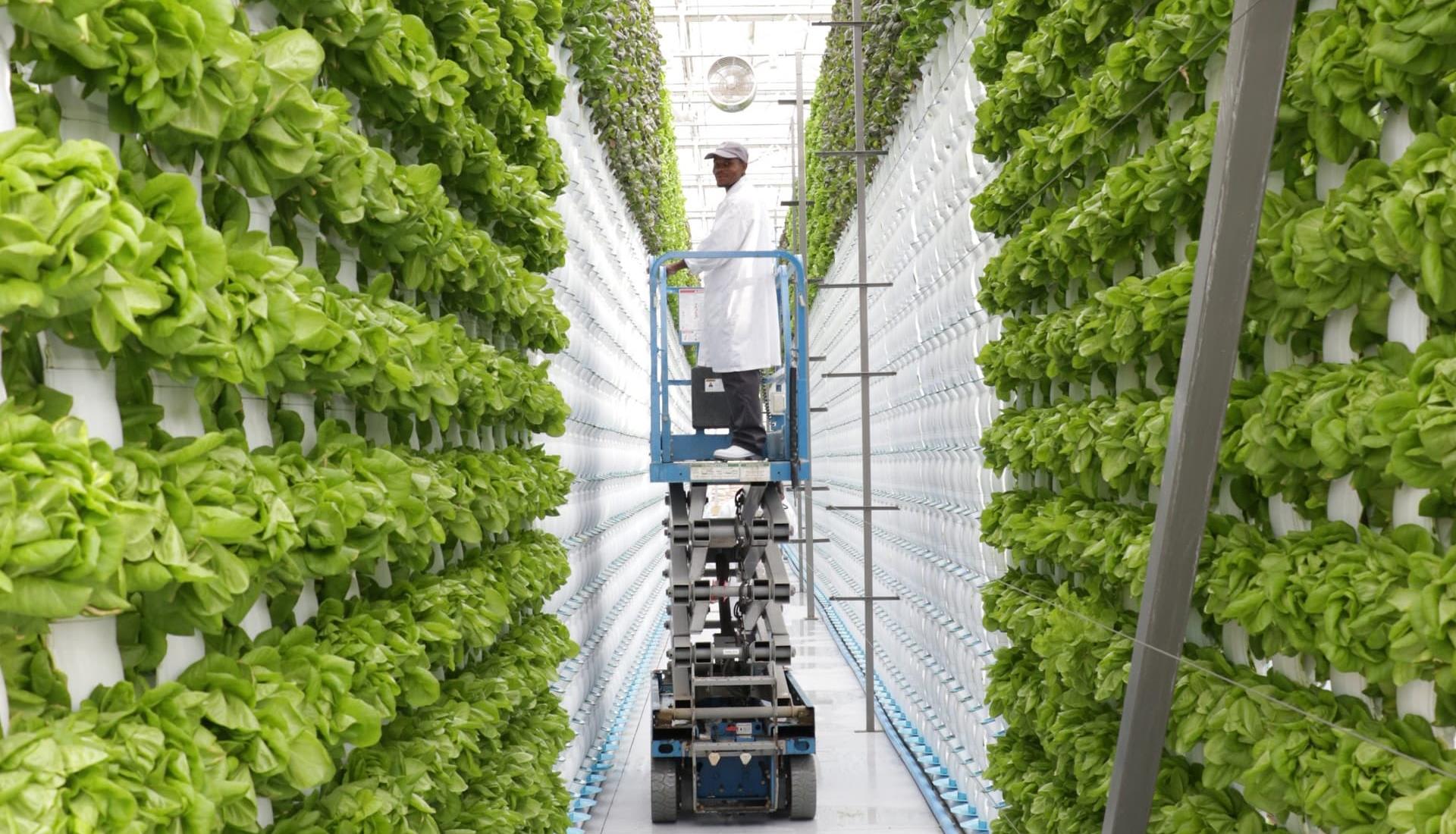
    Community gardens have long been cherished as places where neighbors come together to grow fresh produce, share knowledge, and build connections. In recent years, hydroponic community gardens have emerged as a modern twist on this beloved tradition, offering an innovative and sustainable approach to urban agriculture. In this blog, we’ll explore the concept of hydroponic community gardens, their benefits, and how they foster a sense of togetherness while promoting sustainable food production. For more information regarding hydroponic plant one can visit our site https://hydroponicglobal.com.au/.

    What Are Hydroponic Community Gardens?

    Hydroponic community gardens are communal spaces where individuals or groups cultivate crops using hydroponic systems. Unlike traditional soil-based community gardens, which rely on outdoor plots of land, hydroponic gardens use soil-less techniques that are well-suited for urban environments with limited space.

    Benefits of Hydroponic Community Gardens:

    1. Year-Round Growing: Hydroponic systems can operate year-round, allowing for continuous food production even in colder climates or during off-seasons.

    2. Space Efficiency: Hydroponics is space-efficient, making it suitable for urban areas where available land is scarce. Vertical hydroponic systems, in particular, maximize space utilization.

    3. Resource Conservation: Hydroponic systems use less water compared to traditional soil-based gardening, making them ideal for water-scarce regions. Nutrient solutions are also efficiently recirculated.

    4. Reduced Environmental Impact: By minimizing the need for soil and reducing the risk of soil-borne diseases, hydroponics helps protect natural ecosystems and preserve green spaces in urban areas.

    5. Fresh, Local Produce: Hydroponic community gardens bring fresh, locally grown produce to urban neighborhoods, promoting healthier eating habits and reducing the carbon footprint associated with long-distance food transportation.

    6. Educational Opportunities: These gardens serve as educational hubs where community members can learn about sustainable agriculture, hydroponic techniques, and the importance of food security.

    7. Community Building: Hydroponic community gardens foster a sense of togetherness and cooperation. They provide a space for neighbors to connect, share experiences, and build a strong sense of community.

    Setting Up a Hydroponic Community Garden:

    1. Location: Choose a suitable location with access to sunlight or artificial lighting. Indoors, rooftops, or unused urban spaces can be excellent choices.

    2. Hydroponic System: Select an appropriate hydroponic system based on the available space and community needs. Options include deep-water culture, nutrient film technique, or vertical tower systems.

    3. Crops: Decide on the crops you want to grow. Leafy greens, herbs, and small fruiting plants like tomatoes and peppers are commonly grown in hydroponic community gardens.

    4. Community Engagement: Engage community members by organizing meetings, workshops, and gardening events. Encourage active participation and knowledge sharing.

    5. Maintenance: Establish a maintenance schedule to ensure the hydroponic system functions optimally. This includes monitoring nutrient levels, pH, and the overall health of the plants.

    6. Harvest and Sharing: When crops are ready for harvest, organize community gatherings where the produce can be shared among participants or donated to local charities.

    Conclusion:

    Hydroponic community gardens represent a harmonious blend of modern technology and traditional community values. They offer sustainable, year-round food production while fostering a sense of togetherness, education, and environmental stewardship. As urban populations continue to grow, hydroponic community gardens hold the potential to provide fresh, healthy produce to neighborhoods while promoting sustainable living and strengthening the bonds of community.