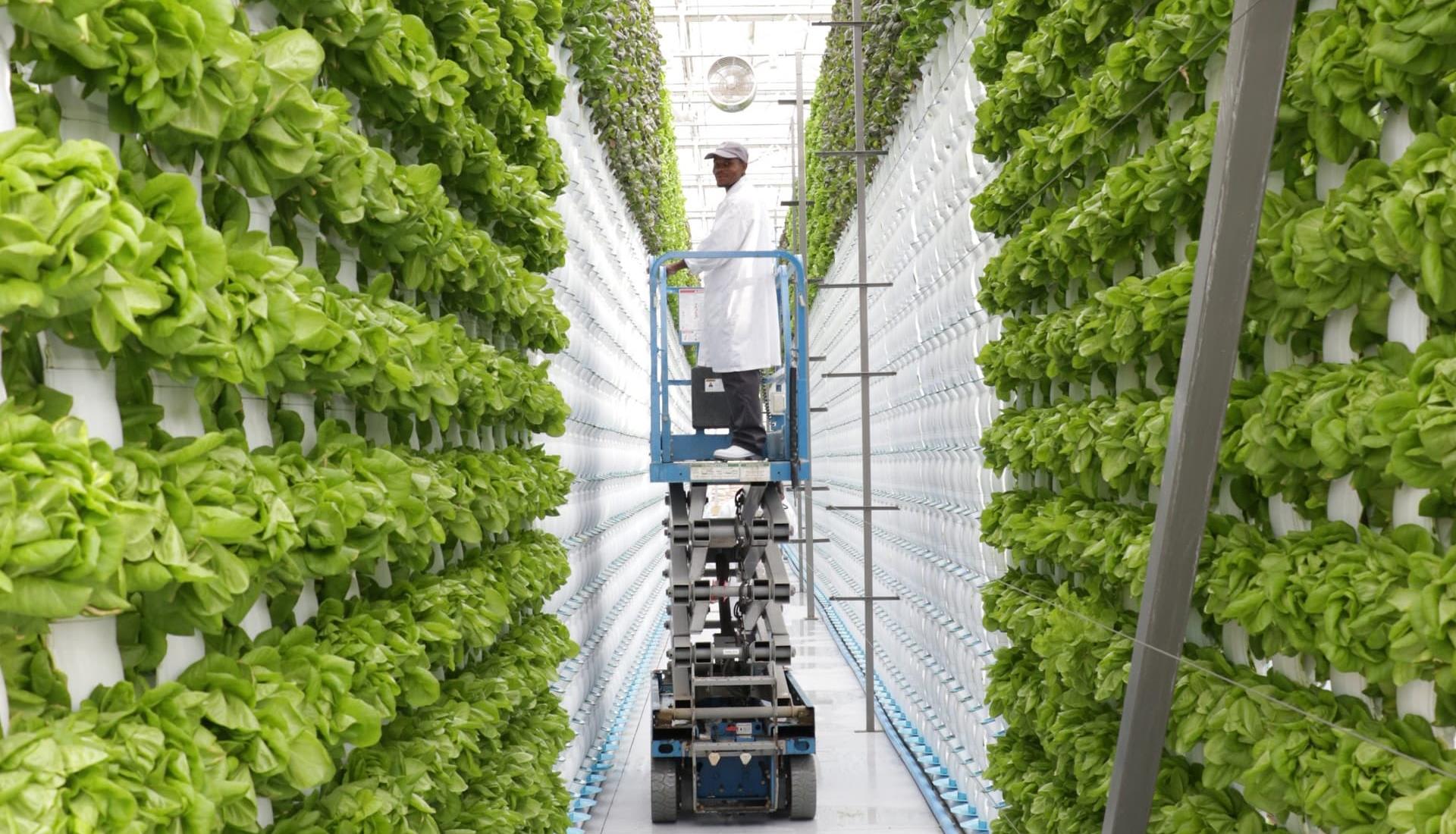
Community gardens have long been cherished as places where neighbors come together to grow fresh produce, share knowledge, and build connections. In recent years, hydroponic community gardens have emerged as a modern twist on this beloved tradition, offering an innovative and sustainable approach to urban agriculture. In this blog, we’ll explore the concept of hydroponic community gardens, their benefits, and how they foster a sense of togetherness while promoting sustainable food production. For more information regarding hydroponic plant one can visit our site https://hydroponicglobal.com.au/.
What Are Hydroponic Community Gardens?
Hydroponic community gardens are communal spaces where individuals or groups cultivate crops using hydroponic systems. Unlike traditional soil-based community gardens, which rely on outdoor plots of land, hydroponic gardens use soil-less techniques that are well-suited for urban environments with limited space.
Benefits of Hydroponic Community Gardens:
1. Year-Round Growing: Hydroponic systems can operate year-round, allowing for continuous food production even in colder climates or during off-seasons.
2. Space Efficiency: Hydroponics is space-efficient, making it suitable for urban areas where available land is scarce. Vertical hydroponic systems, in particular, maximize space utilization.
3. Resource Conservation: Hydroponic systems use less water compared to traditional soil-based gardening, making them ideal for water-scarce regions. Nutrient solutions are also efficiently recirculated.
4. Reduced Environmental Impact: By minimizing the need for soil and reducing the risk of soil-borne diseases, hydroponics helps protect natural ecosystems and preserve green spaces in urban areas.
5. Fresh, Local Produce: Hydroponic community gardens bring fresh, locally grown produce to urban neighborhoods, promoting healthier eating habits and reducing the carbon footprint associated with long-distance food transportation.
6. Educational Opportunities: These gardens serve as educational hubs where community members can learn about sustainable agriculture, hydroponic techniques, and the importance of food security.
7. Community Building: Hydroponic community gardens foster a sense of togetherness and cooperation. They provide a space for neighbors to connect, share experiences, and build a strong sense of community.
Setting Up a Hydroponic Community Garden:
1. Location: Choose a suitable location with access to sunlight or artificial lighting. Indoors, rooftops, or unused urban spaces can be excellent choices.
2. Hydroponic System: Select an appropriate hydroponic system based on the available space and community needs. Options include deep-water culture, nutrient film technique, or vertical tower systems.
3. Crops: Decide on the crops you want to grow. Leafy greens, herbs, and small fruiting plants like tomatoes and peppers are commonly grown in hydroponic community gardens.
4. Community Engagement: Engage community members by organizing meetings, workshops, and gardening events. Encourage active participation and knowledge sharing.
5. Maintenance: Establish a maintenance schedule to ensure the hydroponic system functions optimally. This includes monitoring nutrient levels, pH, and the overall health of the plants.
6. Harvest and Sharing: When crops are ready for harvest, organize community gatherings where the produce can be shared among participants or donated to local charities.
Conclusion:
Hydroponic community gardens represent a harmonious blend of modern technology and traditional community values. They offer sustainable, year-round food production while fostering a sense of togetherness, education, and environmental stewardship. As urban populations continue to grow, hydroponic community gardens hold the potential to provide fresh, healthy produce to neighborhoods while promoting sustainable living and strengthening the bonds of community.
Leave a Reply